
India A vs Afghanistan A: Rain Halts Play as Afghanistan Chase 350 in Tri-Series
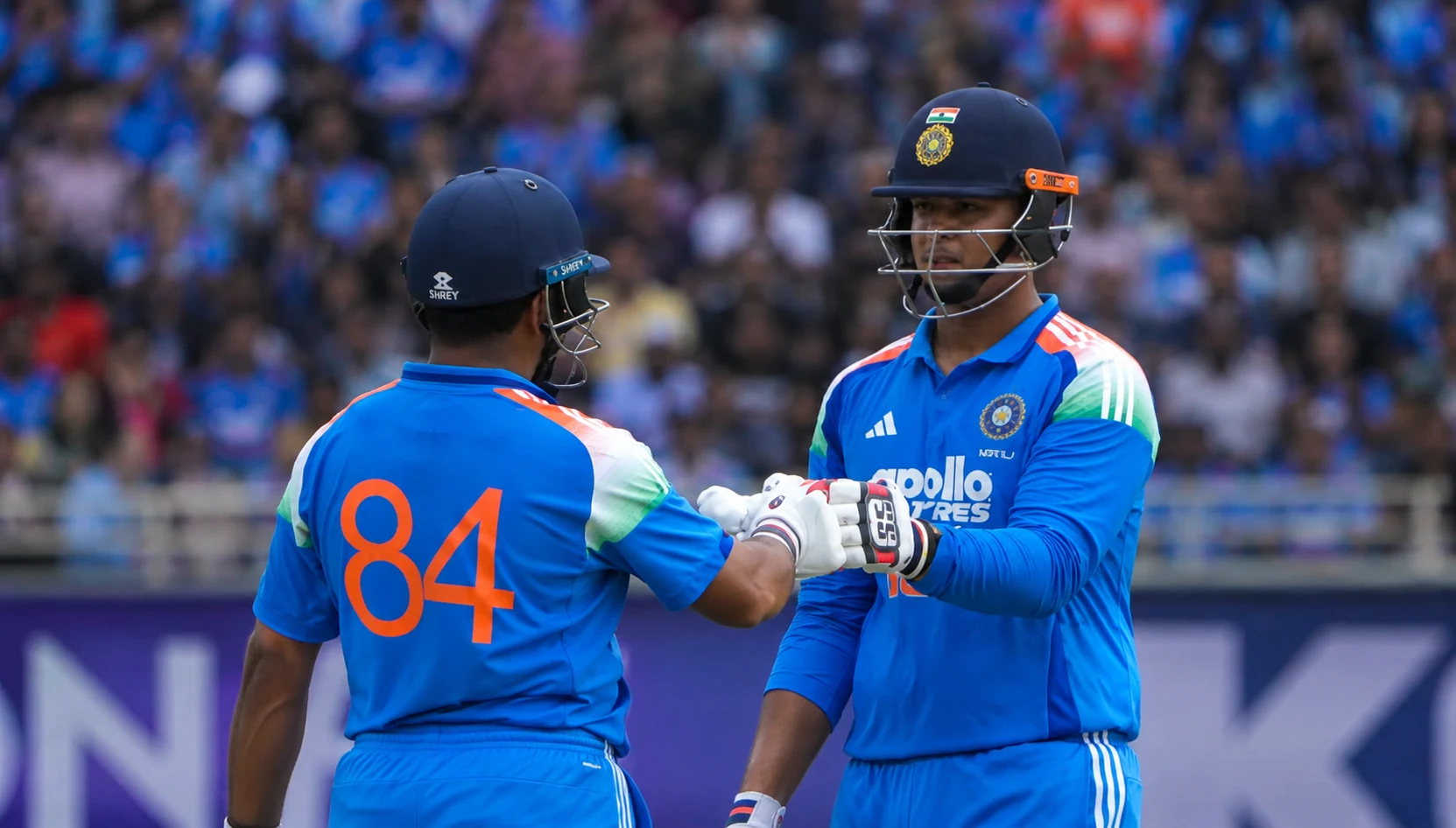
Representative image for illustration
Rain interrupted a crucial stage of the India A vs Afghanistan A tri-series encounter just as Afghanistan A began chasing a daunting target of 350 runs. The weather delay not only halted play but also introduced additional uncertainty into an already difficult run chase.
India A had placed themselves in a commanding position with a massive first-innings total, leaving Afghanistan A facing one of their toughest challenges of the tournament. Gaikwad Century Powers India A to 277/6 Against Sri Lanka A
TL;DR: India A posted 349 runs before rain interrupted Afghanistan A’s chase of 350, adding another layer of difficulty to an already challenging pursuit in the tri-series clash.
India A Sets a Massive Target
India A’s batting lineup delivered an impressive performance to establish complete control of the contest. Leading the charge was Shubman Gill, whose outstanding century laid the foundation for a formidable total. His innings combined patience, timing, and calculated aggression, allowing India A to build momentum throughout the innings. The support from the middle order ensured that the platform created by the top order was fully utilized.
By the time the innings concluded, India A had reached 349 runs, setting Afghanistan A a target of 350 for victory.
In modern limited-overs cricket, large chases are possible, but totals approaching 350 still require exceptional batting performances and sustained partnerships.
India A’s score immediately placed significant pressure on Afghanistan A before a ball of the chase had even been bowled.
How the Rain Delay Changed the Match
Weather interruptions often influence cricket matches in ways that go beyond simply reducing playing time. When rain forced players off the field, both teams were required to pause their momentum and adjust their strategies. For Afghanistan A, the interruption disrupted the rhythm that batters attempt to establish during a difficult chase.
For India A, the delay provided bowlers additional time to reassess plans and prepare for changing conditions after the restart.
A damp outfield and altered pitch conditions can affect stroke-making, timing, and overall scoring patterns. As a result, the challenge facing Afghanistan A became even more complicated than the scoreboard alone suggested. Momentum plays a major role in limited-overs cricket, and interruptions often force teams to rebuild that momentum from scratch.
Why Chasing 350 Is Already Difficult
Even under ideal conditions, pursuing a target of 350 requires near-perfect execution.
Batters must maintain a healthy scoring rate while simultaneously preserving wickets for the later stages of the innings. Any slowdown in momentum can quickly increase pressure on the chasing side. Afghanistan A therefore faced two challenges at once: overcoming a substantial target and adapting to the uncertainty created by the weather delay.
Large chases are often built on partnerships, smart risk management, and maintaining composure under pressure.
When rain interrupts that process, teams frequently need to rethink their approach and reassess scoring requirements.
A Common Misconception About Rain Delays
Many fans assume that rain interruptions automatically benefit the team batting second because revised targets can sometimes become easier. In reality, the situation is often far more complicated. Rain delays can disrupt concentration, affect timing, and alter pitch behavior in ways that create new challenges for batters.
Players who were comfortably settled before the interruption may struggle to regain rhythm after returning to the field. Likewise, bowlers can benefit from fresh conditions that offer additional movement or assistance. That is why weather interruptions frequently become major tactical turning points rather than simple advantages for one side.
Key Performers in the Match
Shubman Gill’s century stood out as the defining contribution of India A’s innings.
His ability to anchor the batting effort while maintaining a positive scoring rate allowed India A to post a total that immediately placed Afghanistan A under pressure. Afghanistan A also produced encouraging moments during the chase before rain halted proceedings. Their top-order batters attempted to build a platform, knowing that successful chases of this magnitude require a strong start.
However, the interruption created additional uncertainty regarding how the remainder of the innings would unfold.
The eventual outcome could have significant implications for the tri-series standings and qualification scenarios.
What Teams Can Learn From Matches Like This
One of the most valuable lessons from rain-affected matches is the importance of adaptability. Teams that prepare for changing conditions often handle interruptions more effectively than those relying on a single game plan. Captains, coaches, and players must remain flexible when weather threatens to alter the course of a match.
Successful teams understand that cricket is not only about skill but also about responding effectively to unexpected situations.
The India A vs Afghanistan A contest serves as another reminder that weather can become just as influential as batting and bowling performances.
In high-pressure tournaments, adaptability frequently becomes the difference between victory and defeat.
Frequently Asked Questions
What target did Afghanistan A need to chase against India A?
Afghanistan A was set a target of 350 runs after India A finished with 349 in their allotted innings.
Who was India A’s standout batter?
Shubman Gill played a crucial innings, scoring a century that helped India A build a commanding total.
How did the rain delay affect the match?
The interruption disrupted momentum, altered playing conditions, and forced both teams to adjust their strategies during a critical stage of the chase.
Do rain delays always help the team batting second?
No. While revised targets sometimes help chasing teams, interruptions can also disrupt rhythm, affect pitch conditions, and create additional challenges for batters.
Get the latest IPL 2026 updates, including match previews, team news, points table, and live results. Check the complete IPL 2026 Match Schedule with fixtures, venues, and timings on CricLegacy. For more cricket updates you can also download the CricLegacy Cricket App.
Comments (0)
No comments yet. Be the first to share your thoughts!