
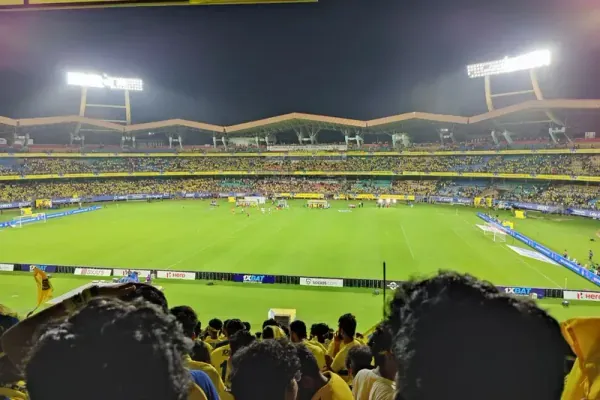
Jawaharlal Nehru Stadium
Get the latest pitch report, T20 records, average first innings score, and live cricket score updates for Jawaharlal Nehru Stadium.
Jawaharlal Nehru Stadium in Delhi, built for the 1982 Asian Games, is a massive multi-purpose sports complex with a capacity of 60,000. Owned by the Sports Authority of India, the stadium hosted the 2010 Commonwealth Games and is primarily known as a football and athletics venue, though it has also hosted cricket matches including India vs Australia in September 1984. The stadium stands as one of India's most iconic sporting landmarks, representing the nation's ambition to host world-class multi-sport events. Its cricket hosting history, while limited compared to the nearby Arun Jaitley Stadium, is an interesting footnote in Delhi's rich cricketing story.
Jawaharlal Nehru Stadium may refer to several sports stadiums in India:
Nehru Stadium, Margao, also known as Fatorda Stadium, multi-use
Nehru Stadium, Chennai, multi-use football and athletics
Ask any local cricket fan and they'll tell you straight up—match days here hit different. Situated right in Delhi, this ground doesn't just host games; it basically shuts the area down. Getting in can be a bit of a trek when the crowds swell, but the Sports Authority of India has honestly done decent work recently to clear up the turnstiles. You grab a quick bite from the stalls outside, scan your ticket, and suddenly you're hit with that massive wave of noise. Nothing beats it.
Winning the toss is huge here. The red soil surface plays weirdly fast sometimes. Fast bowlers hit the deck hard and the ball just takes off. But honestly, if a batter gets their eye in, they can score for fun. It's a true wicket. No horrible demons in it until the very end of a test match when the cracks start opening up. That's when the spinners finally get to have some fun.
There's a specific kind of roar you only hear at this ground. When the home team takes a wicket, the sound bounces off the concrete and hits you in the chest. Packing 60,000 fans into the seats creates an absolute pressure cooker. Ever since 1982, it's been the kind of venue that breaks visiting teams purely through crowd intimidation.
One thing you notice right away is how fast the outfield is. Seriously, if you pierce the gap, don't even bother chasing it. The ball just skids away into the ropes. T20 games here turn into absolute run-fests because the boundary riders are constantly under pressure. Fielding captains basically tear their hair out trying to plug the gaps.
If you walk past the practice nets outside, you'll see a hundred kids trying to bowl fast or copy their favorite batter's stance. Having a venue like this right in their backyard? It's pure inspiration. The stadium anchors the community. It gives the city something to brag about when the international cameras start rolling.
| Match Type | First Match | Winner | Pitch Type | Active |
|---|---|---|---|---|
| International | India vs Australia, Sep 28, 1984 | Australia | Red Soil | No |